
defining small.
Enoughness in architecture and home design.

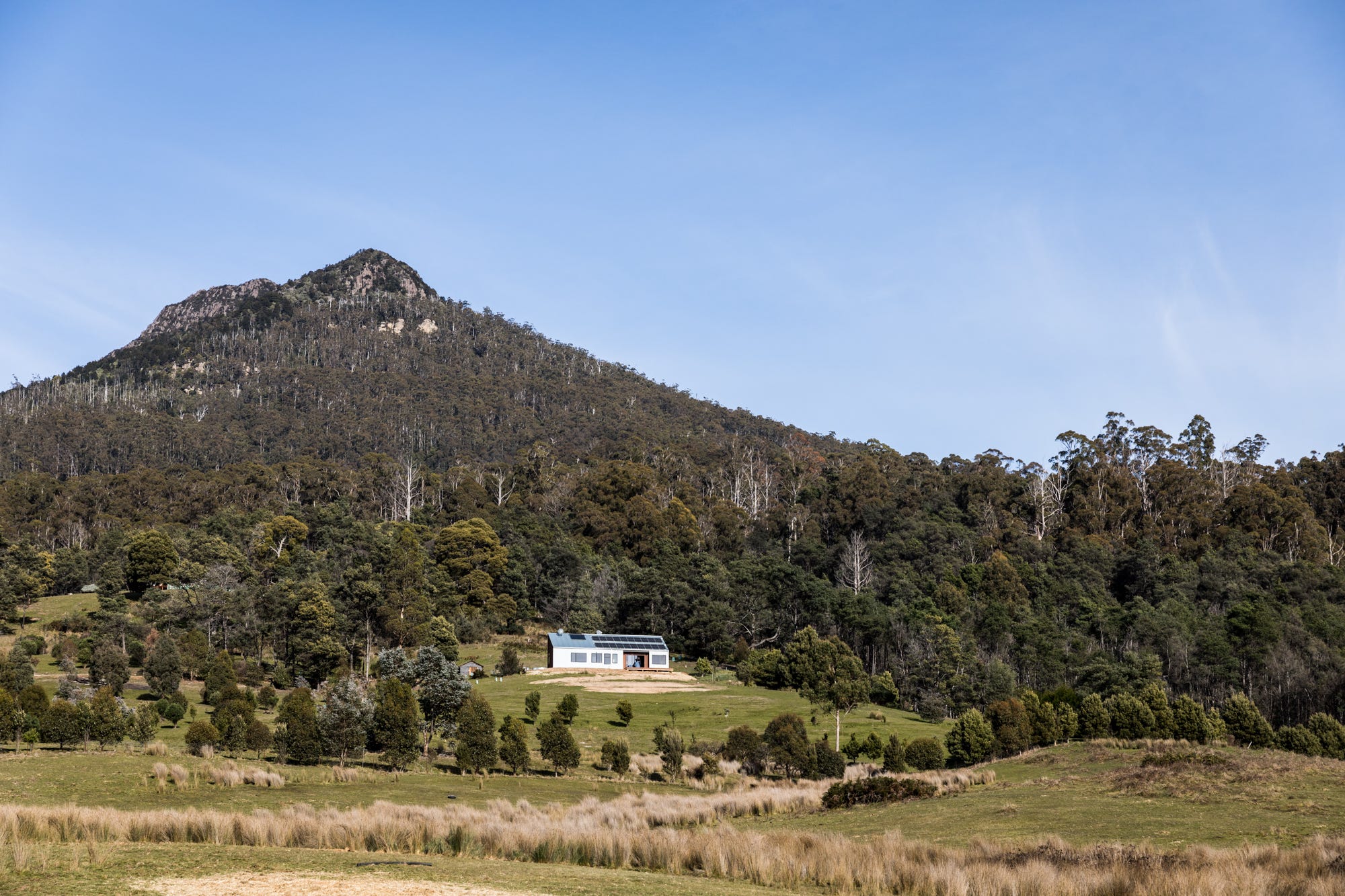
Homeful provides thoughtfully designed house plans, at a fraction of the cost and size of your average Australian home. Here’s a quick dip into the stats behind it and why building or living in a smaller home can be considered more than enough.
Australia builds the biggest houses.
We have a dwindling household size, plus we are spending less time in our houses as we’re working our bums off to pay our big houses off. WHY? We are also coming embarrassingly last in the developed world in terms of climate policy.
No matter how ‘sustainable’ or ‘green’ your build is, regardless of your solar set-up, your material selections, your triple-glazing or your passive house credentials - the bigger it is, the more energy it will use (remembering that embodied energy and operational energy both need to be taken into account. Read more about these here: embodied energy and operational energy.)
a small house footprint is simply better, for a whole range of reasons.
So, how big ‘should’ your home be? How many rooms ‘should’ you have? What’s ‘the norm’? The average new home according to the Australian Bureau of Statistics is between 235-240m2. A house this size can make sense for a large household, a multi generational one or one that is shared, however in Australia households are getting smaller. In 2023, census data showed the average number of people per household was 2.5. (Down from 4.5 people per household in 1911 when houses were less than half this size!). With only 2.5 people per household, that’s a whopping 96m2 of floor area per person. (A great amount of space if you dislike the people you live with!).
This might be the ‘the norm’, but this notion of what’s normal is destroying the planet, reducing accessibility to housing, and increasingly binding housing to our country’s economy. Let’s not aspire to ‘normal’ anymore. It’s not the way it has to be.
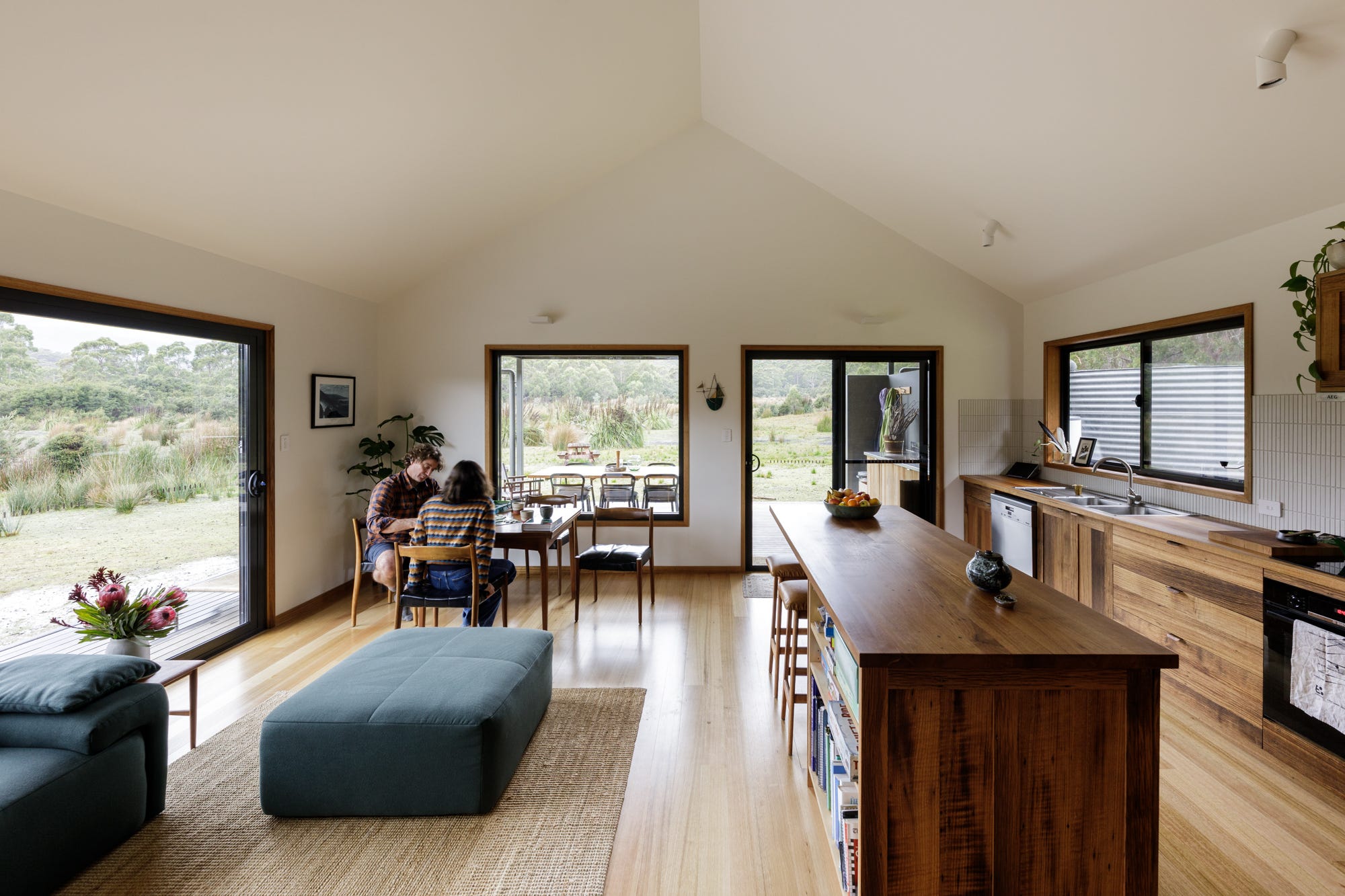
all families and households are diverse and different.
Some people have special needs, accessibility requirements, and aging in place as well as multi-generational living is something to be considered. So how much space do you really need? That all depends on you and your situation - but if you’re coming from a place of “What do I/we need?” rather than “What is normal these days?” you’re on the right path.
At Homeful and Designful, we think about 30m2 per person is more practical, and has many benefits.
smaller houses.
Use fewer materials, use less energy, are cheaper to build, are cheaper to run, have a smaller footprint on your land, are quicker to clean and have more fun surprises! All of this benefits both you and the planet - it’s a win, win.
We believe and have tested that for a family of 4, 120m2 can be enough to hold the essentials of daily life without the unnecessary. This size house gives gentle nudges to connect to outside, seek shared spaces for leisure, entertainment and fitness. This sized home can subtly hold a family closer together through connection via shared spaces and work much harder for you for less energy and financial outlay.
Our Terrain Design is our template for a considered, functional home that is enough for a family. It respects those busy mornings when you get interrupted in the shower 3 times and solves this via a deconstructed bathroom, it embraces functional storage zones that can be customized to your particular hobby needs and there are up for grabs spaces that can be whatever you imagine. Think study/library/yoga/sewing/art+craft/kids play den.
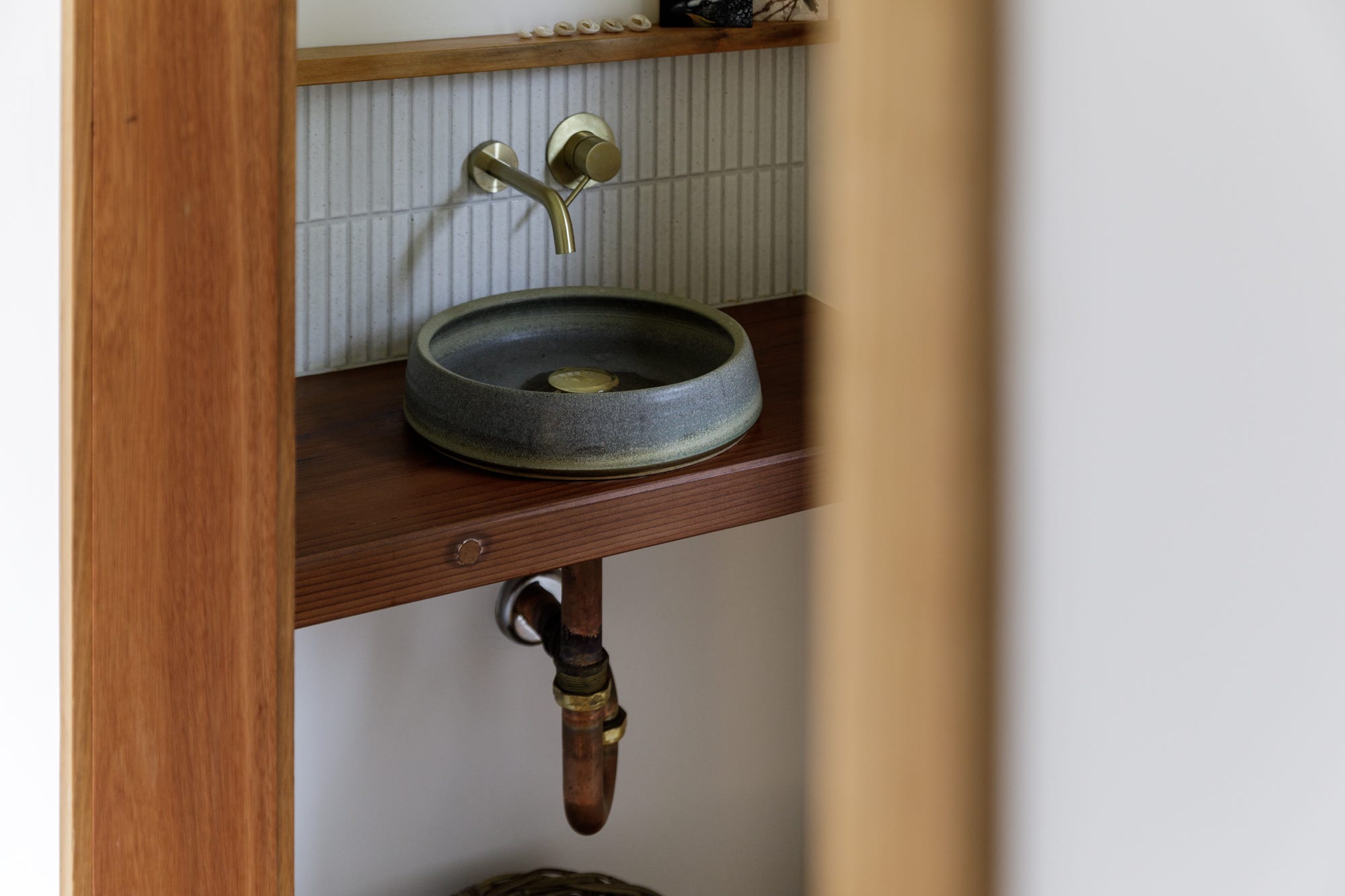
we live in an uncertain world, some certainty is comforting.
By choosing a small home template you can understand your cost earlier, feel more in control of your future finances and start dreaming about your garden because you’ll have lots of space left over!
So why not check out our full suite of pre-designed floor plans on the Homeful website + purchase a ponder pack from the Homeful shop if you want to use it as the perfect template for your ‘new-normal sized’ home build anywhere in Australia.
further reading + goodies.
Head to the Homeful shop to download your free Values-led Briefing Guide.
This resource will step you through - identifying your values and ideal lifestyle, defining what is enough for you, thinking through what functions and activities will support your values and ideal lifestyle. Then focusing on how your home can facilitate this, defining your financial capacity, and how to make decisions and compromises.
Beautiful piece