
the wintering home.
Winter sun is limited, but with a little attention, we can help more of it reach the rooms we live in most.


Around the winter solstice, the sun feels especially precious.
Here in lutruwita / Tasmania, the daylight hours are short and the sun follows a shallow path across the sky. At winter solstice, the sun rises about 30 degrees north of east, reaching only around 29 degrees above the horizon at solar noon, before setting at about 30 degrees north of west. It is a small window of sunlight, but a reliable one. And because the sun sits so low, it can reach further into a home, finding that one warm patch where everyone seems to gather without really deciding to.
In Australia, Aboriginal and Torres Strait Islander peoples have long held deep, place-based knowledge of seasonal change: reading the movement of the sun, moon and stars alongside plants, animals, weather, water and Country. When we reconnect with ancient thinking, we become aware that our seasons are not just dates on a calendar, but patterns to observe and live within.
There is something grounding about paying attention to the winter solstice. The shortest day and the longest night. A turning point in the year that people across many cultures and places have marked in different ways, as slowly, almost invisibly at first, the light begins to return. It won’t be long before the stunning Tasmanian Silver Wattles start flowering, bringing bright yellow blooms into the moody winter landscape and reminding us that even in the coldest months, the next season is already on its way.
why sunlight belongs in the home.
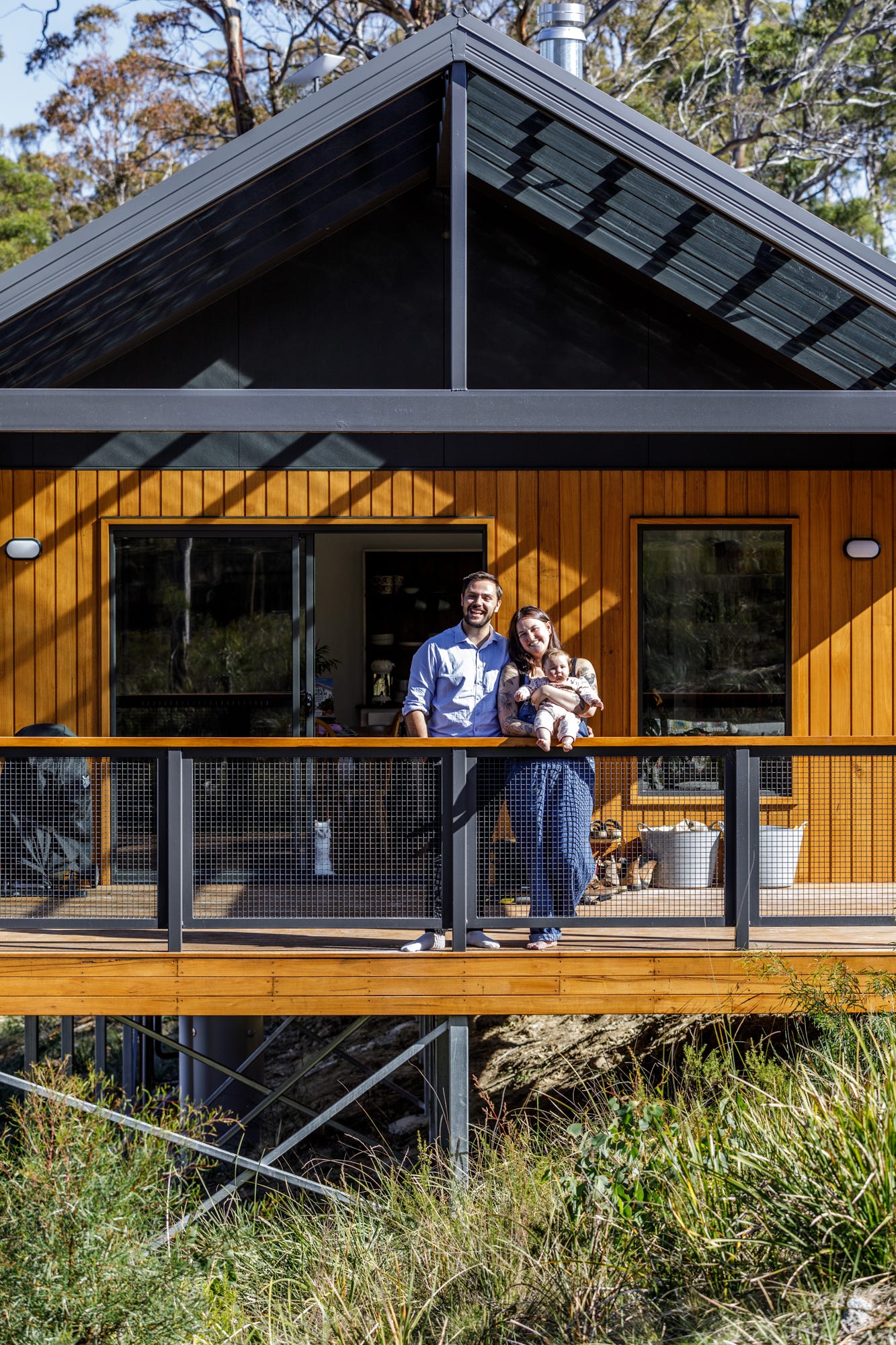
Designing homes asks us to practise observation and care. To notice what a site and home offers, from winter sun to summer shade, wind, shelter, soil conditions and outlook. And to respond in a way that works with those natural systems rather than against them. Through observing place, a home can help us live more in tune with the land, while also asking us to care for the site, urban and remote, as the custodians for now and into the future.
This is the time of year when passive solar design becomes both a technical idea and a lived experience. A well-oriented home does not need to fight the season quite so hard. Around the winter solstice, thoughtful design allows low sunlight to venture into the spaces where daily life happens: the kitchen, the living room, the places where we sit with a cup of tea, fold washing, read, cook, work, or pause for a moment in the middle of the day.
Getting northern sun into your house in winter is the cheapest and most effective way to make it warmer and more comfortable through the colder months. It is something that has been considered carefully in every Homeful plan, designed with an ideal north in mind so the spaces you spend most of your time in can make the most of that low winter sunlight.
6 simple ways to make room for winter sun.
Even when a home has been designed with good orientation in mind, the way we live in and around it can affect how sunlight can weave its way into our living spaces. Sometimes it’s too easy for something small to stop the winter sun from doing its work.
Here are 6 simple things that can make a big difference:
1. prune vegetation that is blocking morning and northern sun.
Winter sun is limited, especially in the precious morning hours, so it’s worth noticing what might be getting in the way.
This does not mean clearing everything back(!) Trees and plants are part of the life of a home too, offering habitat for birds and other wildlife, providing privacy and fostering mental wellbeing. But if shrubs or large tree branches are blocking your northern windows during the colder months, a careful prune could help bring more warmth and sunlight inside.
A good place to start is to stand outside on a winter’s day and watch where the shadows fall. Notice which windows are receiving sun and which are missing out, and whether a small seasonal trim could make a difference without losing the feeling of the garden.
2. plant taller deciduous trees to the north.
A well-placed deciduous tree can work beautifully with the seasons. In summer, its leaves help filter heat and glare from the sun. In winter, once the leaves have dropped, the lower sun can pass through and reach your home. It’s a win/win: shade when you need protection, light when you need warmth.
The important part here is clever placement. Think about the tree’s height, canopy spread and shade it will cast once it’s fully mature.
3. check that eaves and window shadings are doing the right job.
Eaves and shadings are small design details, but they have a big role to play. Spending time to calculate the correct ratios and proportions and incorporating them into the design will allow the low winter sun to enter your home while keeping the high, harsh summer sun out. This is especially worth thinking about if you are renovating or planning an extension.
4. let the sun reach the floor.
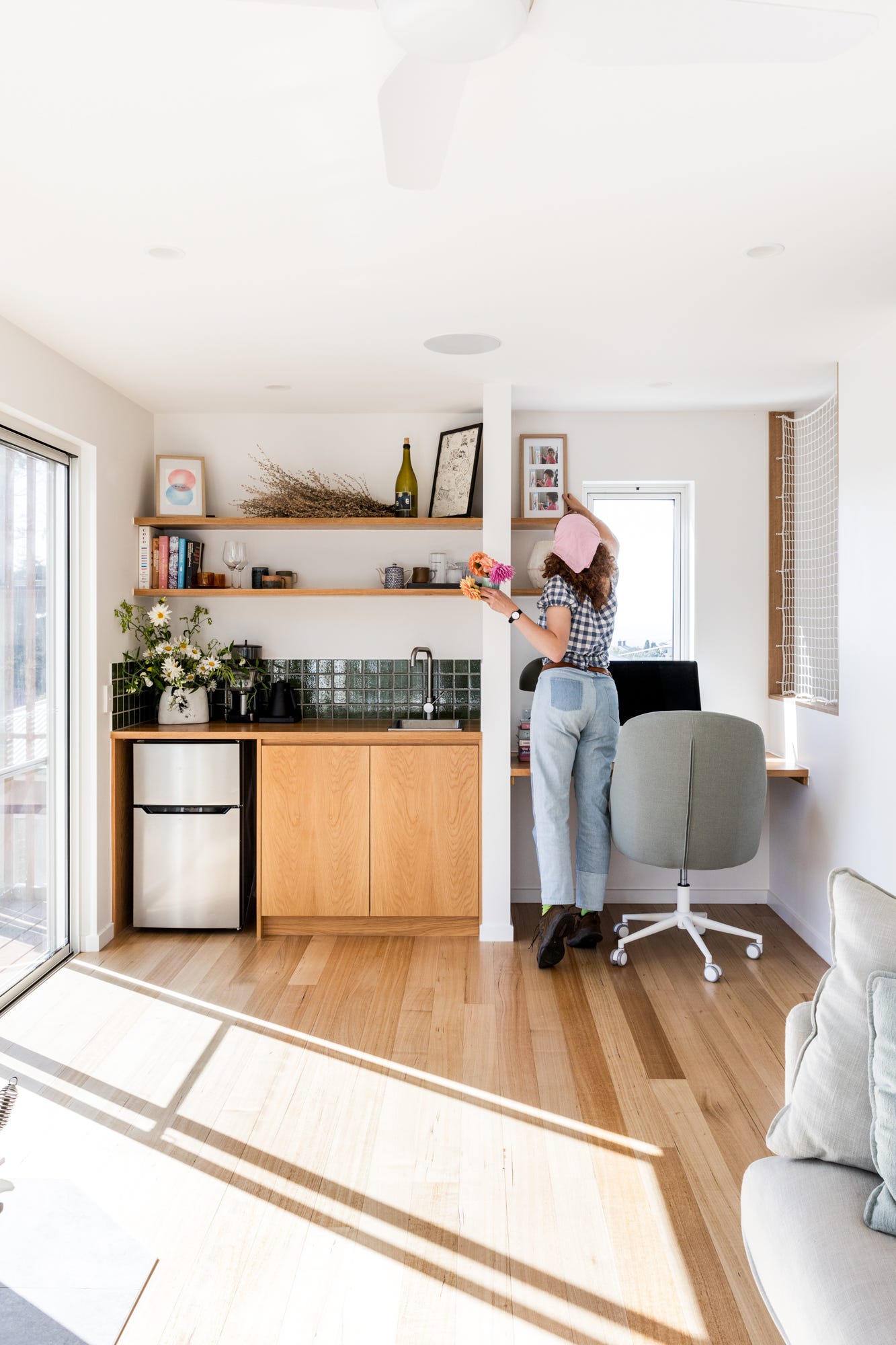
Sounds simple but it’s just as easy to get it wrong… If your best winter sun is landing on the back of a couch, a tall cabinet or a pile of things waiting to be dealt with, your room may not be getting the full benefit. Where possible, keep the area near north-facing windows open enough for sunlight to reach the floor or other surfaces that can hold warmth. That cozy feeling we’re all longing for in winter? This is where you’ll find it!
5. change window coverings to limit these blocking any sun during the day.
Heavy curtains, blinds and shutters can be wonderful at night, helping to hold warmth in once the sun has gone. But during the day, they need to be opened properly so the home can gather the light and warm up when sunlight is available.
If you are choosing new window coverings, it’s worth noticing how much glass they cover when open. Some curtains or blinds still block part of the window when stacked back, which can reduce the amount of winter sun entering the room.
6. if you are designing or renovating, give the best light to the rooms you use most.
One of the biggest passive solar wins is placing your main living spaces on the northern side of the home.
A sunny hallway is lovely and a sunny laundry is useful (for 5 minutes). But the greatest benefit comes when winter sun reaches the rooms where daily life gathers: the kitchen, dining and living areas. Of course, every site has its own constraints. Slope, views, access, neighbouring buildings, existing trees, planning rules and budget all affect what’s possible. Perfect orientation is not always available, so it’s about compromises and thinking about what you value most. The decisions you make early on in the design process can keep giving back for many winters to come.
further reading + goodies.
Head to the Homeful shop to download your free Values-led Briefing Guide.
This resource will step you through identifying your values and ideal lifestyle, defining what’s enough for you, and thinking through what functions and activities will support your values and ideal lifestyle; then focusing on how your home can facilitate this, defining your financial capacity, and how to make decisions and compromises.

our current reads / listens.
The Salt Path by Raynor Winn.
The Bush by Don Watson.
our upcoming reads / listens.
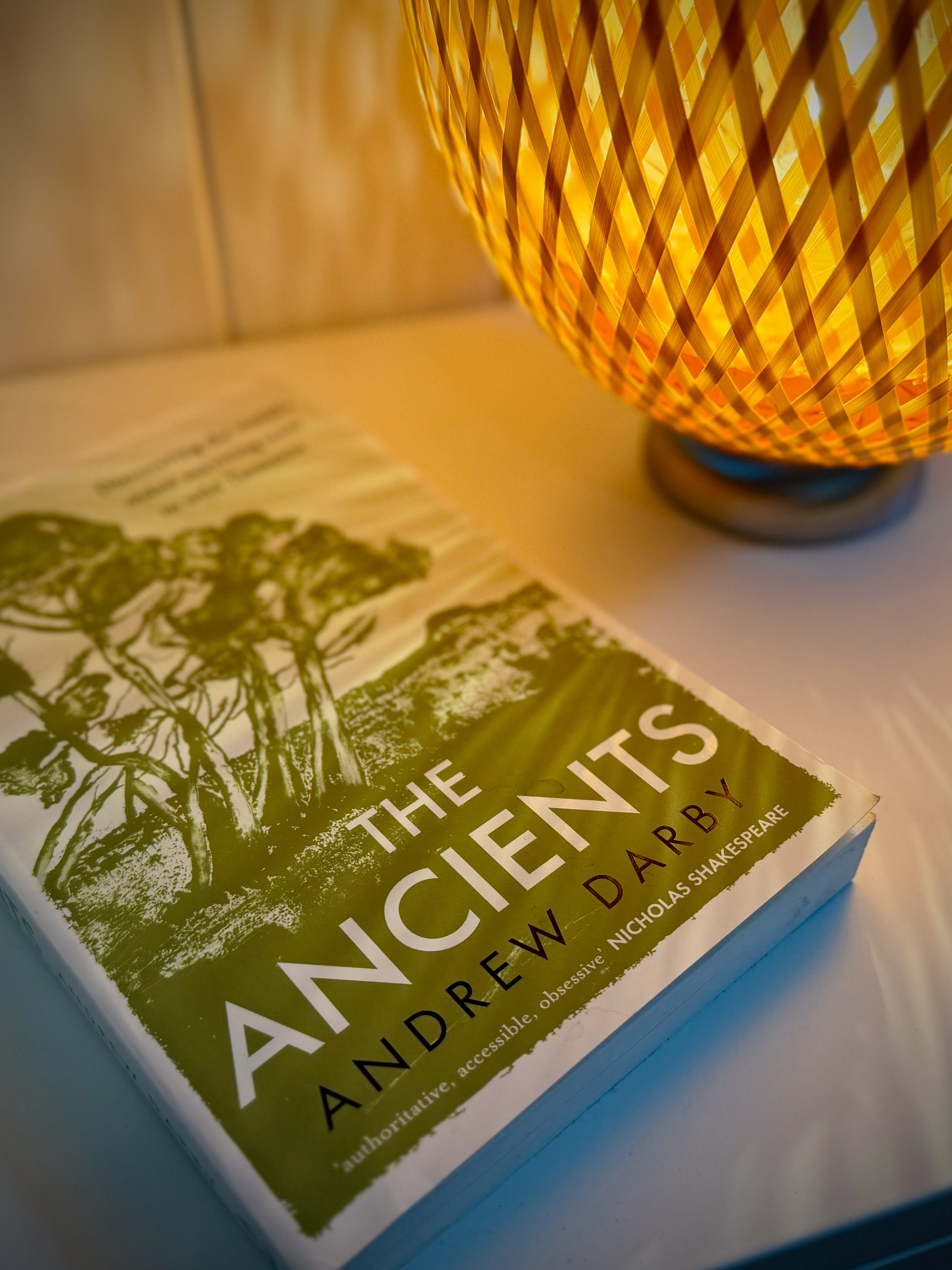
The Ancients by Andrew Darby.